Manage spikes in customer demands
Add overflow capacity for billing cycles, rate changes, weather events, planned maintenance, and other periods when contact rises faster than an internal team can scale.
Industry support
Utilities process outsourcing helps electricity, gas, water, and energy service providers handle billing questions, payment arrangements, outage contact, new connections, and seasonal demand without carrying peak staffing year-round.
Discuss this industry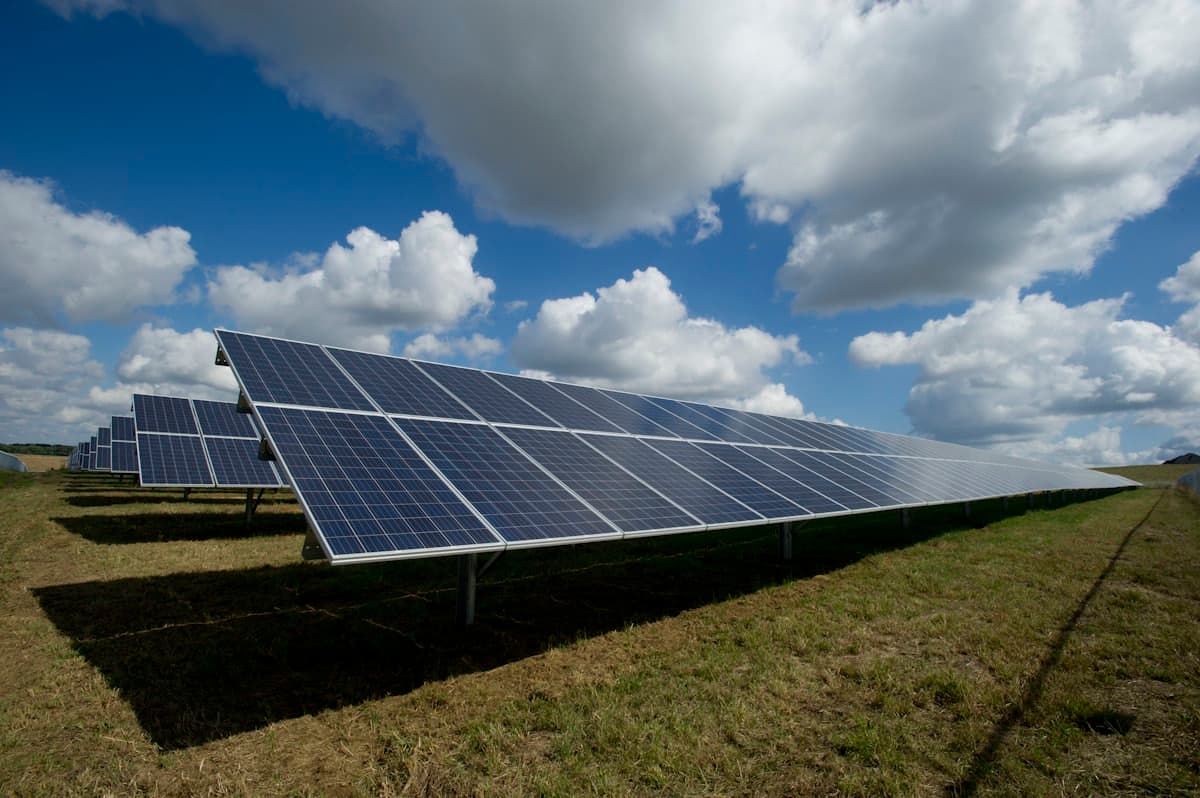
What we support
Utility support for demand spikes, billing inquiries, payment arrangements, outage updates, connection processing, and collections.
Add overflow capacity for billing cycles, rate changes, weather events, planned maintenance, and other periods when contact rises faster than an internal team can scale.
Handle approved payment-plan intake, balance questions, reminders, and early collections activity within the policies and escalation limits you define.
Resolve routine account and billing questions from documented rules, while routing disputes and exceptions to the right internal owner.
Support new connection requests, account setup, required information capture, and approved referrals without slowing internal operations teams.
Share approved restoration and service-status information, capture incident details, and escalate safety-related reports through a separate urgent path.
Answer common meter-reading questions, record customer-submitted information, and route suspected faults or account exceptions for review.
Energy and Utilities support
Utility contact is uneven by design. Billing cycles, rate changes, storms, planned maintenance, and service disruptions can multiply demand in hours. Outsourced overflow and extended-hours coverage absorbs those peaks while your internal specialists stay focused on field operations and complex account decisions.
Routine work such as balance inquiries, payment-plan intake, connection processing, meter-reading questions, and status updates follows documented rules and can be handled consistently by a trained support team. Safety reports, vulnerable-customer cases, and account exceptions are routed through escalation paths agreed before launch.
The programme works inside your approved systems and scripts, with reporting on contact reasons, queue pressure, escalations, and unresolved demand. Start with one process or overflow window, then add channels and coverage after the workflow is proven.
The support areas handed over first, in the order most teams add them.
Scope is confirmed with you before launch. Start with one area and add the rest as coverage settles.
Built around demand
Start with the support areas you need most, then expand hours, channels, or scope as customer demand changes.
Go deeper
Free consultation
Tell us the energy and utilities work that is consuming your team's time and we will map the coverage, team size, and reporting it needs.
FAQ
Common questions about outsourcing energy and utilities support.
Utilities process outsourcing means handing defined customer and back-office processes to a managed team that works under your rules. For electricity, gas, water, and energy retailers, our agents typically handle balance and billing inquiries, payment-plan intake, new connection and move requests, meter-reading questions, outage and service status updates, and early reminder activity on overdue accounts. Each process is documented with your project manager before launch, including what an agent may decide and what must be referred. Many utilities start with one process or an overflow window and widen the scope once the results are visible.
Anything that involves engineering judgment, regulatory interpretation, or discretion beyond written policy stays with you. That includes restoration estimates, field crew dispatch, safety assessments, tariff and rate decisions, disconnection approvals, disputed bills that need investigation, and cases involving vulnerable customers where your specialists should take over. Our agents share the information you have approved, capture details accurately, and route by agreed rules. Reports of gas smells, downed lines, or other hazards go through a separate urgent path to your emergency number, and callers in immediate danger are told to call 911.
Utility contact arrives in waves, some predictable and some not. For predictable peaks such as billing runs, rate changes, and planned maintenance, you share the calendar and we schedule added capacity against it. For storms and unplanned outages, we agree an activation plan in advance: who triggers it, which approved message agents give, how updates reach the floor, and how hazard reports are separated from status calls. Because our teams operate around the clock all year, overnight and weekend surge coverage is possible. The size of the surge team is defined during scoping.
Agents work inside the payment-arrangement policy you give them: who qualifies, what terms may be offered, what must be referred, and what to say about disconnection. They take the details, set up the approved plan, and record the conversation. Whether a given activity counts as third-party debt collection under the FDCPA and Regulation F depends on how the work is structured, and state utility commissions often set their own customer protection rules, so confirm the requirements with your counsel. If card payments are taken by phone, PCI DSS governs how that cardholder data is handled.
Usually your customer information and billing system, your outage or service status view, a knowledge base, and the telephony or chat queue. You control the accounts and grant a role limited to the scoped tasks, for example viewing balances and creating payment plans without the ability to adjust charges beyond an agreed limit. We apply controlled access, confidentiality practices, and role-based workflows on our side. Access to field dispatch, network control, or engineering systems is not needed for customer contact work and should stay closed. The exact access list is settled during the strategy phase.
Look for evidence that the provider understands uneven demand and regulated customer contact. Ask how they would staff a storm event compared with a normal week, how script updates reach agents within an incident, and how safety reports are kept out of the general queue. Ask to see sample reporting on contact reasons and escalations, not call totals alone. Check how they handle payment-arrangement limits and customers in hardship. We have operated since 2000 and count utilities among the industry-sensitive environments we support, and we expect to be asked these questions.
It depends on how many bill types, tariffs, and exception rules agents must understand, so the timeline is set during scoping and not quoted in advance. The process itself is consistent: a discovery call, then a project manager maps your billing inquiry workflow, prepares system access, and trains agents using your real bill layouts, common dispute reasons, and recorded or sample contacts. A short period of supervised live handling usually follows before the team takes full volume. Expect to provide a subject-matter contact during training, since billing questions expose policy gaps quickly.
It is the wrong choice for work that cannot be written down as rules, such as complex billing investigations, regulator complaints, and negotiations with large commercial accounts. It is also a weak fit if your systems cannot support restricted external access, or if no one internally has time to own the relationship, approve scripts, and answer escalations. In those cases outsourcing moves the problem without fixing it. A narrower start usually works better: overflow for routine billing calls or after-hours status lines, with specialist work kept in-house until the partnership is proven.
Related industries