Contact driver analysis
Categorise why customers actually contact you, so volume can be reduced at source rather than absorbed.
Outsourced service
Most contact centre reporting says what happened. Analytics should say why it happened and what to do about it — which contact drivers are growing, where handle time is going, and which changes actually moved the number.
Discuss call center analytics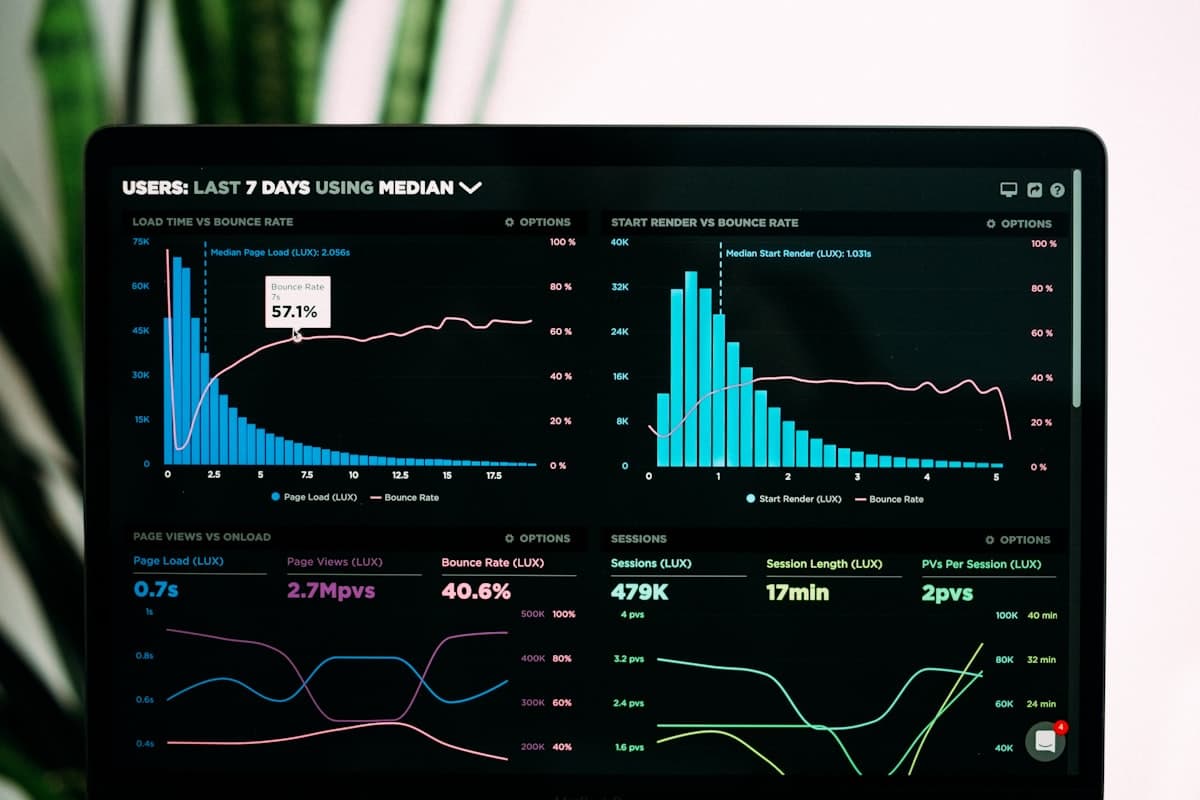
What we handle
Choose the tasks you need now and expand the scope when the workload changes.
Categorise why customers actually contact you, so volume can be reduced at source rather than absorbed.
Handle time, resolution rate, quality score, and adherence reported per agent and per team.
A written scorecard applied to sampled calls and tickets, with results fed back individually.
Answer rate, wait time, abandonment, and first-response targets tracked against commitments.
Survey results tied back to contact type, agent, and channel rather than reported in isolation.
Period-on-period comparison so you can tell a real change from ordinary variance.
Designed around you
We adapt to your tools, communication rhythm, approvals, brand standards, and escalation process.
Where this runs
Free consultation
Tell us what your team is spending time on and we will scope the call center analytics coverage, team size, and reporting that fits.
FAQ
Common questions about outsourcing call center analytics.
Our analysts work with your operational data: contact volumes, contact reasons, handle time, resolution, service level, abandonment, quality scores, and customer survey results. They categorize why customers contact you, track performance by agent, team, and channel, compare periods, and explain what moved and why. The output is a regular report with findings and recommended actions, not a dashboard left for you to interpret. The decisions stay with you: changing a policy, fixing a product issue that drives calls, adjusting staffing, or renegotiating a vendor agreement. Analytics can show that a billing change caused a spike. Whether to reverse it is your decision.
Call center analytics works from operational records: phone system data, ticket fields, quality scorecards, schedules, and survey results. It answers questions about volume, speed, resolution, workload, and what drives contacts. Speech analytics works from the recorded conversations themselves and looks at what was said. The two complement each other. Operational reporting might show that handle time rose on billing calls, and conversation analysis might then show which explanation customers kept asking agents to repeat. Most operations should get their operational reporting in order first, because it relies on data you already hold and tells you where listening more closely is worth the effort.
Analysts need exports or read-only access to your phone platform, help desk or CRM reporting, quality review results, and survey data. Read-only is the default, since analysis does not require changing records. Where possible we work with fields that leave out customer identifiers, because contact reason and handle time can be analyzed without knowing who called. Access is set by role and confidentiality terms are agreed before any data moves. If your records include health, payment, or financial account details, say so during scoping so those fields can be excluded or handled under the requirements that apply to you.
Most contact center data is messy, so the first step is an honest inventory. After a discovery call, a project manager and analyst review what your systems capture, how contact reasons are tagged, and where the gaps are. Common problems are a catch-all category that gets overused, tags agents apply inconsistently, and phone and ticket data that cannot be joined. The early work is often fixing categories and definitions so later numbers mean something. We agree metric definitions with you in writing, because two teams using different definitions of resolution will never reconcile their reports.
Yes. Historical volume by hour, day, and season is the basis for deciding how many people you need and when. Analysts look at arrival patterns, handle time by contact type, and how past peaks behaved, then show where the current schedule leaves gaps or pays for idle time. The same analysis shows whether evening and weekend contacts are frequent enough to justify live coverage or whether a message service would do. Forecasts are estimates, and we present them with the assumptions stated so you can adjust them. A planned promotion or price change belongs in the forecast, so tell us early.
Accuracy starts with agreed definitions and a check of each report against the source system before it goes out. When a number looks surprising, the analyst investigates before reporting it, since a tracking change or a new queue often explains a sudden move. To get reports acted on, each one leads with a short list of findings and the action each suggests, and the next report states what happened to the items from the last one. The reporting rhythm and the audience are agreed up front. Findings that need urgent attention go to your named contact without waiting for the next cycle.
Ask for a sample report and check whether it explains causes or only lists numbers. Ask how they define core metrics such as service level, resolution, and abandonment, and whether they will adopt your definitions. Ask how they handle gaps and bad tagging in source data. Ask what access they need and whether read-only is enough. Ask who presents the findings and whether that person understands contact center operations or only the reporting tool. A provider that has run contact center programs, as we have since 2000, tends to know which metric moves are routine and which deserve attention.
If your operation is small enough that a supervisor can see every queue and knows every agent, a standard report from your phone system is probably enough. Outsourced analytics also disappoints when nobody on your side has the authority or time to act on findings, because reports without decisions change nothing. And if your systems capture almost no usable data, such as no contact reasons and no resolution field, the first investment should be in capturing it. We can help design that, but there is little to analyze until clean data has built up.
Related services